Stamped Concrete vs. Plain Concrete: Which One Is Right for Your DFW Project?
If you're planning a new driveway, patio, walkway, or pool surround, one of the decisions you'll face is whether to go with standard concrete or invest in a stamped finish. Both are concrete at their core — the difference is in the surface treatment applied before the concrete sets. But that difference has meaningful implications for appearance, cost, maintenance, and how the finished surface performs over time.
This guide walks DFW homeowners through everything they need to know to make the right call between stamped and plain concrete for their specific project.
What Is Stamped Concrete?
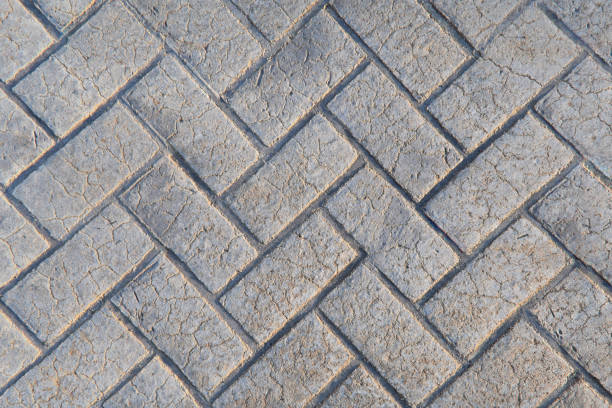
Stamped concrete is standard concrete that has textured molds pressed into the surface before it fully cures, creating patterns that mimic natural materials like stone, brick, slate, wood, or tile. Color is typically added through integral pigments mixed into the concrete or through surface-applied color hardeners and release agents that create depth and variation in the finished surface.
The result is a surface that has the visual appeal of premium materials like natural stone or brick at a fraction of the cost — combined with the structural benefits and low maintenance of concrete.
Stamped concrete is most commonly used for patios, pool surrounds, walkways, driveways, and outdoor entertaining areas where appearance is as important as function.
What Is Plain Concrete?
Plain concrete — also called standard or conventional concrete — is poured and finished without decorative stamping. The most common finish for plain outdoor concrete is a broom finish, where a stiff broom is dragged across the surface before it sets to create a slightly textured, slip-resistant surface.
Plain concrete can also be finished with a smooth trowel finish for indoor applications, or with an exposed aggregate finish where the top layer of cement paste is washed away to reveal the natural stone aggregate beneath.
Plain concrete is the workhorse of residential and commercial construction — straightforward, functional, durable, and clean in appearance.
Appearance: Stamped Concrete Wins on Visual Impact
This is the most obvious difference between the two options, and it's where stamped concrete makes its strongest case. A well-executed stamped concrete patio or driveway can genuinely be a standout design feature of your home's exterior. The combination of pattern and color creates a surface that looks far more expensive and intentional than standard gray concrete.
For homeowners who want their outdoor spaces to make a visual statement — particularly patios, pool surrounds, and front entry walkways — stamped concrete delivers an aesthetic that plain concrete simply cannot match.
Plain concrete, however, is not without its own visual appeal. A clean broom-finished concrete driveway or patio has a crisp, professional look that complements virtually any architectural style without competing for attention. For homeowners who prefer a clean, understated aesthetic, plain concrete is often the right choice.
Cost: Plain Concrete Is More Affordable Upfront
Plain concrete is less expensive to install than stamped concrete. The additional materials — color pigments, release agents, and stamping tools — and the extra labor required to execute stamped patterns add to the project cost.
The premium for stamped concrete over plain concrete varies depending on the complexity of the pattern and the number of colors involved. Simple single-color stamp patterns carry a smaller premium than multi-color, multi-pattern designs with detailed borders.
However, the cost comparison isn't complete without considering the value side of the equation. Stamped concrete delivers a significantly higher-end appearance that can add meaningful curb appeal and property value, which changes the return on investment calculation for many homeowners.
Durability: Both Are Concrete — With One Caveat
At their core, stamped and plain concrete are the same material, which means their fundamental durability is similar. Both can last 30 to 50 years when properly installed and maintained. Both are subject to the same factors that affect concrete longevity — base preparation quality, reinforcement, curing, and ongoing maintenance.
The one durability consideration that's unique to stamped concrete is its surface layer. The color and pattern in stamped concrete exist in the top layer of the slab. Surface wear, UV exposure, and deferred sealing can cause the color to fade over time in ways that aren't an issue with plain concrete. Keeping a stamped concrete surface sealed is more important — and more consequential — than it is with plain concrete.
Maintenance: Stamped Concrete Requires More Attention
This is the area where plain concrete has a genuine advantage over stamped. Plain concrete maintenance is simple — clean it periodically and seal it every 2 to 3 years. That's essentially all it takes.
Stamped concrete requires the same basic maintenance but with more frequency and more attention to the sealing step. The sealer on a stamped surface protects both the color and the texture, and a stamped surface that's allowed to go without sealing for too long will fade and lose the visual impact that made it worth the investment in the first place.
For homeowners who are committed to maintaining their outdoor surfaces — which, frankly, anyone who invests in stamped concrete should be — this isn't a major burden. But for homeowners who prefer a more hands-off approach to outdoor maintenance, plain concrete is the lower-effort long-term choice.
Repair Considerations
Both stamped and plain concrete can develop cracks over time due to soil movement, thermal cycling, and normal aging. Repairing cracks in plain concrete is straightforward — fill the crack with a concrete crack filler and, if needed, reseal the surface.
Repairing cracks in stamped concrete is more complex because the repair needs to match the existing color and pattern to be visually undetectable. An exact color match is difficult to achieve after the original surface has been exposed to weathering, and a stamped concrete repair that doesn't match the surrounding area will be noticeable.
This doesn't make stamped concrete a poor choice — it simply means that keeping it properly sealed and addressing small cracks early is more important with stamped concrete than with plain.
Which Projects Are Best Suited to Each Option
Not every project is the right candidate for stamped concrete, and understanding which application fits which option helps you make the decision that's right for your specific situation.
Best Applications for Stamped Concrete
Patios and outdoor entertaining areas where appearance is a priority, pool surrounds where the visual connection to the landscape matters, front entry walkways that contribute significantly to curb appeal, and driveways on higher-end properties where the investment in appearance is proportionate to the overall property value.
Best Applications for Plain Concrete
Utility slabs for sheds, workshops, and storage buildings, side yard pathways where function is the priority over appearance, garage floors, structural foundations, and any application where the concrete will be largely covered or where budget constraints make the premium for stamped concrete difficult to justify.
The Mixed Approach
Many DFW homeowners choose a combination — stamped concrete for the visible, high-impact areas like the patio and front walkway, and plain concrete for utility areas, driveways, and side yards. This approach gets the visual benefit of stamped concrete where it matters most while keeping costs reasonable across the full scope of a project.
DFW-Specific Considerations for Stamped Concrete
A few factors specific to the DFW climate and soil conditions are worth keeping in mind if you're considering stamped concrete:
Heat and UV Exposure
DFW's intense sun and heat accelerate color fading in unsealed or under-sealed stamped concrete. Keeping a stamped surface sealed is especially important in this region to protect the color investment.
Soil Movement
DFW's expansive clay soil creates more movement beneath concrete slabs than is typical in many other regions. Proper reinforcement during installation reduces the risk of cracking in both stamped and plain concrete, but the consequences of cracking are more visible and more difficult to repair in stamped surfaces. Working with an experienced contractor who accounts for local soil conditions is essential for any stamped concrete project in DFW.
Slip Resistance
In DFW's summer heat, outdoor surfaces can get extremely hot. Some stamped concrete finishes — particularly smooth, highly polished patterns — can become slippery when wet. For pool surrounds and areas that will be frequently wet, discuss slip-resistance options with your contractor, including anti-slip additives that can be incorporated into the sealer.
Making the Right Choice for Your Project
The decision between stamped and plain concrete comes down to three things: your aesthetic goals, your budget, and your willingness to commit to maintenance.
If appearance is a priority, you're investing in an outdoor space that's meant to impress, and you're committed to keeping it sealed and maintained, stamped concrete is a genuinely excellent choice that delivers lasting value.
If you want a clean, durable, low-maintenance surface that performs reliably for decades without requiring much attention, plain concrete is the smarter choice.
And if you want the best of both worlds in different areas of your property, a mixed approach gives you visual impact where it counts without applying the premium across every square foot.
Why Prestige Concrete Delivers on Both Options
Whether you're going stamped or plain, the quality of the installation matters more than the finish choice. A stamped concrete patio on a poorly prepared base with inadequate reinforcement will fail just as surely as a plain concrete driveway built the same way.
At Prestige Concrete, we bring the same commitment to base preparation, reinforcement, and quality materials to every project — stamped or plain. Our team has the experience and skill to execute decorative stamped finishes with the precision they require, and we bring the same craftsmanship to straightforward plain concrete projects that makes them last for decades.
If you're weighing your options for a concrete project in DFW, we're happy to walk you through what makes the most sense for your specific property and goals.

Ready to move forward with your concrete project in DFW? Contact Prestige Concrete today for a free estimate and let our team help you choose and execute the right finish for your property.


.svg)


.svg)
.svg)