Concrete Maintenance 101: How to Keep Your Concrete Looking New for Decades
One of the biggest selling points of concrete is its durability — and that reputation is well earned. A properly installed concrete driveway, patio, walkway, or slab can last 30 to 50 years with the right care. But that lifespan isn't guaranteed automatically. Concrete that's neglected will deteriorate faster than it should, and problems that could have been prevented with simple maintenance become expensive repairs that shorten the life of the surface and the investment behind it.
The good news is that concrete maintenance is not complicated. It doesn't require specialized equipment or professional intervention on a regular basis. What it requires is consistency — a few simple habits performed at the right intervals that protect the surface, manage water, and catch problems before they grow into serious issues.
This guide covers everything DFW homeowners need to know to keep their concrete looking great and performing at its best for decades.
Why Concrete Needs Maintenance
Concrete is one of the most durable building materials available, but it's not invincible. Several factors work against it over time:
Moisture — Water that infiltrates the surface of concrete can cause internal damage, particularly during freeze-thaw cycles when water expands as it freezes. In DFW, moisture from heavy rain events can also erode the base beneath concrete slabs if drainage isn't managed properly.
UV Exposure — The intense Texas sun causes concrete surfaces to fade and become more porous over time as the top layer of cement paste breaks down. A sealed surface resists this process significantly better than an unsealed one.
Traffic and Load — Repeated vehicle traffic, heavy loads, and general foot traffic gradually wear the surface of concrete over time. Keeping the surface sealed and addressing cracks promptly helps it stand up to traffic demands.
Soil Movement — In DFW specifically, the expansive clay soil beneath concrete surfaces shifts with moisture changes, creating stress on the slab. Proper drainage management reduces the frequency and severity of this movement.
Chemical Exposure — Oil, gas, deicers, and other chemicals that come into contact with concrete surfaces can break down the cement matrix and cause surface deterioration if not addressed promptly.
Understanding these threats helps you target your maintenance efforts where they matter most.
Regular Cleaning: The Foundation of Concrete Maintenance
Keeping your concrete clean is the simplest and most fundamental maintenance task, and it has a bigger impact on longevity than most homeowners realize. Dirt, debris, oil, and biological growth like algae and moss don't just look bad — they actively damage the concrete surface over time.
Routine Sweeping and Rinsing
For driveways, patios, walkways, and other outdoor concrete surfaces, a regular sweep and periodic rinse with a garden hose removes loose debris and prevents the buildup of materials that can stain or degrade the surface. Doing this monthly — or more frequently in high-traffic areas — is a low-effort habit that makes a meaningful difference.
Pressure Washing
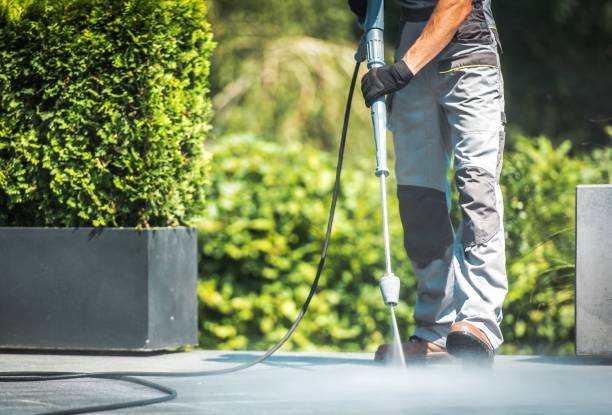
An annual or semi-annual pressure wash removes stubborn dirt, algae, mildew, and staining that a garden hose can't handle. Use a pressure washer with a fan tip rather than a concentrated stream to avoid damaging the surface, and keep the nozzle moving to prevent etching.
Oil and Chemical Spills
Driveways and garage slabs are particularly vulnerable to oil and chemical spills from vehicles. Address spills as quickly as possible — the longer a petroleum-based product sits on concrete, the deeper it penetrates and the more difficult it becomes to remove. A concrete degreaser applied promptly handles most oil stains effectively.
Sealing: The Most Important Maintenance Step
If there's one maintenance task that has the greatest impact on the longevity and appearance of concrete, it's sealing. A concrete sealer creates a protective barrier on the surface that repels water, resists staining, reduces UV degradation, and makes the surface easier to clean.
How Often to Seal
For most residential concrete surfaces in DFW — driveways, patios, walkways, and slabs — a quality sealer should be reapplied every 2 to 3 years. High-traffic surfaces like driveways may need more frequent attention, while covered or lightly used surfaces can go longer between applications.
How to Know When Resealing Is Needed
A simple water test tells you whether your concrete needs to be resealed. Sprinkle water on the surface — if it beads up, the sealer is still doing its job. If it absorbs into the surface, it's time to reseal.
Choosing the Right Sealer
There are several types of concrete sealers available, and the right choice depends on the surface and your goals. Penetrating sealers soak into the concrete and protect from within without changing the appearance. Film-forming sealers create a surface coating that can add sheen and enhance color. For most outdoor residential applications in DFW, a penetrating sealer is a reliable choice that provides excellent protection without altering the look of the surface.
How to Apply Sealer
Clean the surface thoroughly before applying sealer — any dirt or contaminants sealed under the coating will be trapped there permanently. Apply the sealer according to the manufacturer's instructions using a roller or sprayer, and allow adequate drying time before allowing traffic.
Crack Repair: Catch Them Early
Cracks in concrete are a fact of life — even the best-installed slabs develop minor cracks over time due to thermal cycling, soil movement, and the natural behavior of cured concrete. The key to managing cracks is addressing them promptly before they grow into structural problems.
Surface Cracks
Hairline cracks and minor surface cracks that don't penetrate the full depth of the slab are cosmetic issues that can be filled with a concrete crack filler to prevent water infiltration. Left unfilled, these cracks allow water in, which accelerates deterioration — especially during freeze-thaw cycles.
Structural Cracks
Cracks that run through the full depth of the slab, are accompanied by vertical displacement between sections, or are actively growing need professional evaluation. These are signs of a structural issue — usually related to base settlement or soil movement — that requires more than surface patching to address properly.
When to Call a Professional
If you're unsure whether a crack is cosmetic or structural, err on the side of caution and have it evaluated by a professional. A quick inspection is far less expensive than the cost of ignoring a structural crack until it becomes a major problem.
Managing Drainage: Protecting Concrete From Below
One of the most overlooked aspects of concrete maintenance is managing the water around and beneath the slab. In DFW, where heavy rain events can move significant amounts of water and expansive clay soil absorbs and releases moisture dramatically, drainage management is a critical part of keeping concrete performing at its best.
Make sure the ground around your concrete surfaces slopes away from the slab rather than toward it. Keep gutters and downspouts clear and directed away from concrete areas. Address any areas where water consistently pools on or around concrete surfaces, as standing water accelerates deterioration and contributes to base erosion.
Protecting Concrete During DFW Winters
While DFW winters are mild, the occasional hard freeze creates specific risks for concrete surfaces. Here's how to protect your concrete during cold weather:
Avoid Harsh Deicers
Traditional rock salt and many chemical deicers are harsh on concrete surfaces, causing surface scaling and accelerating deterioration. If you need to address ice on a concrete surface, use sand for traction or calcium chloride as a gentler alternative to rock salt.
Clear Ice and Snow Promptly
Removing ice and snow from concrete surfaces before it has a chance to melt and refreeze reduces the number of freeze-thaw cycles the surface is exposed to, which extends the life of the concrete.
Check Sealed Surfaces Before Winter
Heading into the cold season with a freshly sealed concrete surface gives your driveway, patio, or walkway the best possible protection against the freeze-thaw damage that can occur during DFW's occasional cold snaps.
Seasonal Maintenance Checklist for DFW Homeowners
Staying on top of concrete maintenance is easier when you think about it seasonally:
Spring — Inspect all concrete surfaces after winter for new cracks or damage. Pressure wash to remove winter grime. Check drainage and address any areas where water is pooling.
Summer — Keep surfaces clean and watch for oil or chemical spills on driveways and garage slabs. Check whether surfaces need resealing using the water bead test.
Fall — Reseal if needed before cooler weather arrives. Clear debris from drainage paths. Inspect for cracks before winter.
Winter — Use appropriate ice management products. Keep surfaces clear of ice and snow. Check for any damage after hard freeze events.
When to Call a Professional
Most concrete maintenance tasks are well within the capability of a motivated homeowner. But there are situations where professional help is the right call:
At Prestige Concrete, we're available to evaluate any concrete maintenance concern DFW homeowners have and provide straightforward advice on whether a repair, reseal, or replacement is the right solution. Sometimes a professional eye can save you significant money by catching a problem early — or by reassuring you that what looks alarming is actually a minor issue that's easily managed.
The Bottom Line
Concrete is one of the most durable materials available for residential and commercial applications, but it rewards the homeowners who take care of it. Regular cleaning, consistent sealing, prompt crack repair, and smart drainage management are the habits that keep a concrete driveway, patio, walkway, or slab performing at its best for decades. In DFW, where climate and soil conditions create specific demands on concrete, these habits matter even more than they do in more forgiving environments.
The investment in maintenance is small compared to the cost of premature replacement — and the payoff is decades of reliable, great-looking concrete on your property.

Have questions about your concrete or ready to start a new project? Contact Prestige Concrete today for a free estimate and let our experienced DFW team help you get the most out of your concrete investment.


.svg)


.svg)
.svg)